


If you’re a service-based small business, your happiest clients are some of your most valuable marketing assets.
When they tell their friends and colleagues about their excellent experiences and transformative results, it motivates others to reach out and work with you.
But beyond positive word-of-mouth and an occasional review, are you taking active steps to turn your best work into marketing gold?
This post will teach you how to turn one successful project into multiple marketing and sales assets.
You’ll learn:
What info to collect at the start of the project
What to notice during the project
What to ask after the project
How to turn your win into a powerful testimonial
How to craft a compelling case study
How to tell your success story on social
How to leverage a favorite project in your sales process
You already did the work; now it’s time to use it to help more perfect-fit clients find you, fall in love, and take action!
What should you document during a project to make testimonials, case studies, and other materials easier to create?
I recommend creating a simple system for capturing images, metrics, and stories before, during, or after a project or engagement. This can be as simple as a folder in Google Drive or on your computer. You can collect a lot of this information after the fact, but gathering it as you go will make it easier and faster to create marketing assets.
Info to collect at the start of your client engagement:
The impact of your testimonials and case studies depends on showing potential clients a familiar “before” state before you reveal the results your work helped achieve.
Ask these questions during your onboarding process, in a questionnaire or conversation:

What challenges are you facing right now?
What data can you share that illustrates the problem you’re facing?
What would a successful outcome feel like, look like, and mean? (Ask for specific measurable markers of success.)
In addition to capturing your client's narrative responses, get permission to use pictures, screenshots, and other data that document the state of their life, home, or business before you begin your work.
Here are some examples of what different service providers might want to document:
Home Organizer . . . . . . Photos of a cluttered playroom
Leadership Development Coach . . . . . . Initial results from a Team Culture Survey
Web Designer . . . . . . Screenshots of existing website, website analytics
Things to keep track of during the process:
Once your work begins, pay attention to moments that may become engaging stories later.
Great stories are often born from:
Moments when your client was worried and you were able to reassure them
Moments when your client was delighted.
Moments when your client was grateful.
Moments when things didn't go as planned, and you responded to changing circumstances.
Moments when you discovered new information.
Moments when you felt especially “in the zone” as a service provider.
What to ask your client at the end of a project:
It’s easy for a client to say they loved your work, but getting them to dig deeper often requires the right prompts.
Try asking these questions as part of your offboarding conversation or survey:
What did you appreciate most about working with me?
What, if anything, surprised you about our work together?
What changed for you thanks to our work together? (Please be as specific as possible.)
You’ll also want to document the results of your work. Here’s what that might look like for the service provider examples we thought about earlier in the post:
Home Organizer . . . . . . Photos of an organized playroom, feature photos of storage solutions
Leadership Development Coach . . . . . . Updated results from the same Team Culture Survey
Web Designer . . . . . . Screenshots of new website, website analytics
How do you get a testimonial or review that inspires perfect-fit clients to reach out?
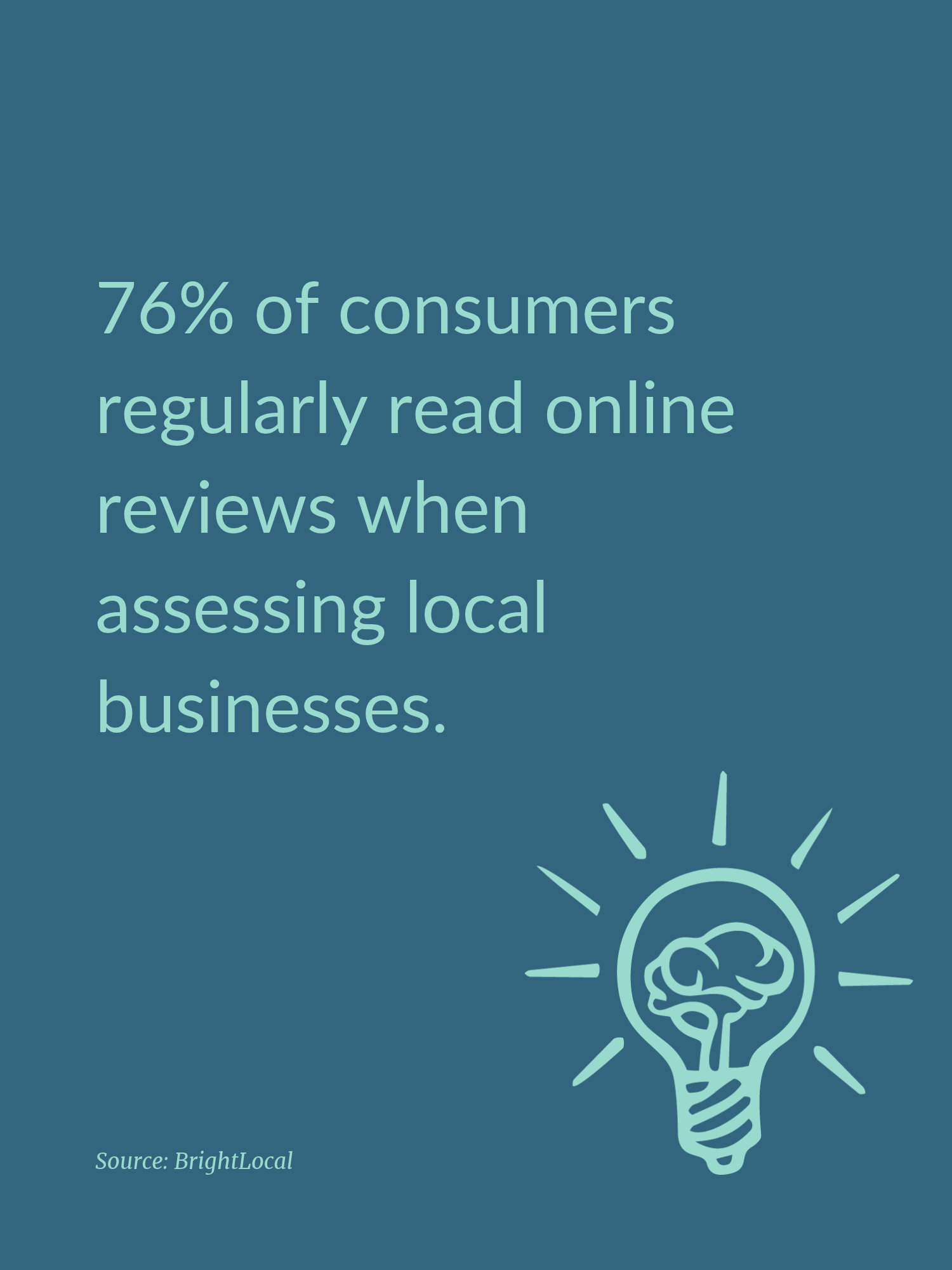
Did you know that 76% of consumers look to online reviews when assessing local businesses, but over 60% of small businesses fail to ask for reviews?
Social proof can profoundly influence purchase behavior. In fact, nearly half of consumers who say they seek out reviews trust them as much as they would trust a recommendation from someone they know.
So if you do great work and make it a practice to ask for reviews, you have an enormous opportunity to stand out in local markets.
The most useful reviews say more than, “5 stars, would recommend.” Make it your goal to use reviews and testimonials to show potential clients that you’ve helped people like them get results like the ones they want.
Try this:
Use the answers your client provided during your offboarding process to craft a testimonial they can edit and approve for use on your website and in your marketing materials with a link back to their website.
At the same time, ask if they’d be willing to publish it on public, third-party review sites like Google, Meta, or Yelp in addition to any industry-specific sites relevant to your business, such as Houzz, Psychology Today, Zillow, or Wedding Wire.
How to craft a case study that potential clients feel seen.
Case studies allow you to go deeper than you can in a testimonial. A well-crafted case study tells a story of transformation that justifies your pricing, offers insights into your process, and makes your results feel irresistible.
Not every industry needs case studies, but many service professionals benefit from these deeper dives, including:
Graphic Designers
Website Developers
Marketing Consultants
Operations Consultants
Accountants
Event Planners
Realtors
Home Organizers
Interior Designers
Home Contractors
Landscape Designers
The key to a helpful case study is to begin by knowing the perfect-fit client you want it to attract—and what they care about.
Try this:
Use the information you captured before, during, and after your process, plus a testimonial, to paint a picture of the outcome your perfect-fit client wants.
Title (specific, keyword-focused, and designed to call in that Dream Client)
Project Type
Intro Summary (2-3 sentences that capture the crux of the project)
The Before (describe the problem your client came to you with and include photos, data, or other indicators of the state of things before you worked with them)
The Solution (tell the story of how you used your expertise to solve the problem, calling out any key decisions and milestones)
The Transformation (get specific about what life is like now for your client thanks to your work, including metrics, photos, and narrative examples)
The Testimonial (a written or video testimonial from your client about how your work impacted their life or business)
By highlighting what matters most to them and reassuring them about any worries, you’ll help them feel confident and excited to reach out.
How to tell a success story that stops the scroll.
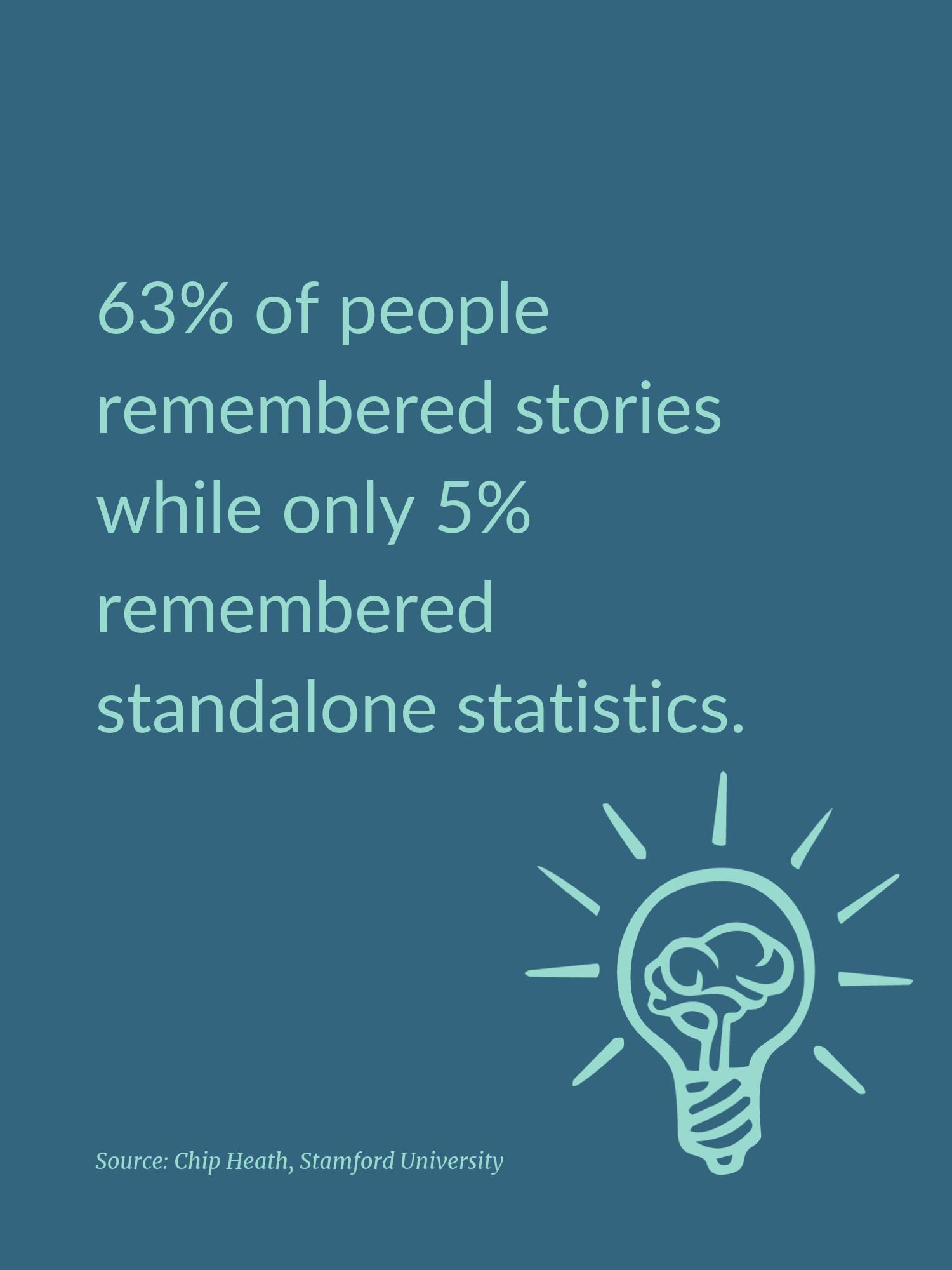
There is so much manufactured noise in today's marketing landscape that when a business gets storytelling right, it's magic. Authentic brand storytelling makes your audience feel, remember, and connect.
Instead of only sharing a client testimonial, consider telling a story about a successful project that humanizes your brand.
Try this:
Reflect on these prompts to try to find the most strategic and engaging stories to tell:
A moment when your client was skeptical and what happened to make them believe.
A mistake you made and how you made it right.
A time during the project when you changed direction and why it mattered.
Something that happened during the project that surprised your client or yourself.
A moment from everyday life that serves as a metaphor for the work you did on the project.
A win your client had thanks to your work.
Make sure that the story you choose to tell is:
Authentic: Ensure the story is true, yours to tell, and aligned with your brand messaging.
Complete: Have a strong hook, vivid details, and a before, moment of change, and after.
Relatable: Tell stories that your audience can relate to emotionally.
Concise: Keep it short and focused to get your core message heard and remembered.
Purposeful:Have a clear business objective and include a natural call-to-action.
Once you’ve crafted your story, try using it as an Instagram reel or carousel, a LinkedIn or Facebook post, or an email to your list. Then use your content marketing touchpoint to link back to the full case study, driving deeper engagement!
How to use a successful project to inspire sales.
Sometimes selling can feel tricky. Many solopreneurs and small business owners struggle with Impostor Syndrome or worry about coming across as braggy or pushy.
The thing is, if you hide your brilliance, you're keeping people from your gifts. When you communicate the impact of your work, your perfect-fit clients can find the solutions they need.
The beauty of including a successful project in your sales pitch is that it lets your work speak for itself. This is a double win: more comfortable for you and more compelling to potential clients.
Try this:
Leverage a Case Study in your pitch deck to illustrate your process
Use a story from a favorite project in a sales conversation
Include a client testimonial in your proposal
Add a link to your Google reviews in your email signature
You may still be wondering:
-
A standalone testimonials page is fine, but weaving testimonials throughout is better. It makes them impossible to miss! Strategically placing testimonials on service pages can help you connect with potential clients and boost conversion rates.
-
If you've done great work, there's no harm in making review requests a part of your process. By making things as easy as possible, you'll increase your odds of them following through. That's why I recommend using specific prompts in your offboarding process and crafting something for them to edit and approve based on what they share. Most clients will be grateful you did some of the work for them!
-
Yes! I'm not a lawyer, but I always tell my clients it is essential to get written permission before sharing their testimonials or any information about their projects. You can also include language in your contract that allows you to use their work as an example. Please consult with your business attorney for counsel specific to your situation.
-
Both reviews and testimonials matter. Some consumers trust what they see on third-party review sites more than curated testimonials on your site, but well-crafted (and well-placed) testimonials are powerful as well. Regularly refreshing your testimonials and requesting reviews is a smart strategy for boosting SEO, AIO, and conversion rates.
Ready to turn a client win into marketing magic?
If you're inspired but a little overwhelmed, start with one great project and use one of the "Try It" ideas in this post. As a reminder, we covered:
What to capture before, during, and after a project.
Metrics
Photos
Key Moments
Testimonials and Reviews
Use strategic prompts for the most impact.
Case Studies
Go deeper into the story of transformation, using narrative, visuals, and quotes.
Social Storytelling
Humanize your brand with storytelling and include a call to action.
Sales Assets
Let your work speak for itself in pitch decks, proposals, and sales conversations.
If your business has outgrown its website and needs a refreshed home for these client success stories, check out my website copywriting services.
