


I had to tell AI to stop texting my mom.
More specifically, I needed to go into my messaging app's settings and expressly tell my phone's new AI software to stop attempting to compose hellos, responses, and all the rest that it was trying to send to the closest people in my life.
This, my friends, is where we are with AI integrations. They are everywhere. Nearly every app, program, and business is seemingly in the race to integrate AI tools into their systems.
As we begin another year with an ambitious list of goals and plans, relying on AI to power our efforts is pretty tempting. I get it— I'm a busy business-owning mom who loves efficiency as much as anyone. Still, I urge you to think carefully about the tradeoffs we may be making when we let AI writing generators take the wheel.
Putting Communication on Autopilot
Neuroplasticity refers to the brain's ability to continually rewire itself based on experiences. I've always found this quality of our minds very, very cool because it means we can change, learn, and relearn throughout our entire lives. The flip side is that when we don't continually access or practice a skill, the neural connections weaken, and our brain becomes less efficient at that particular skill to conserve space and energy.
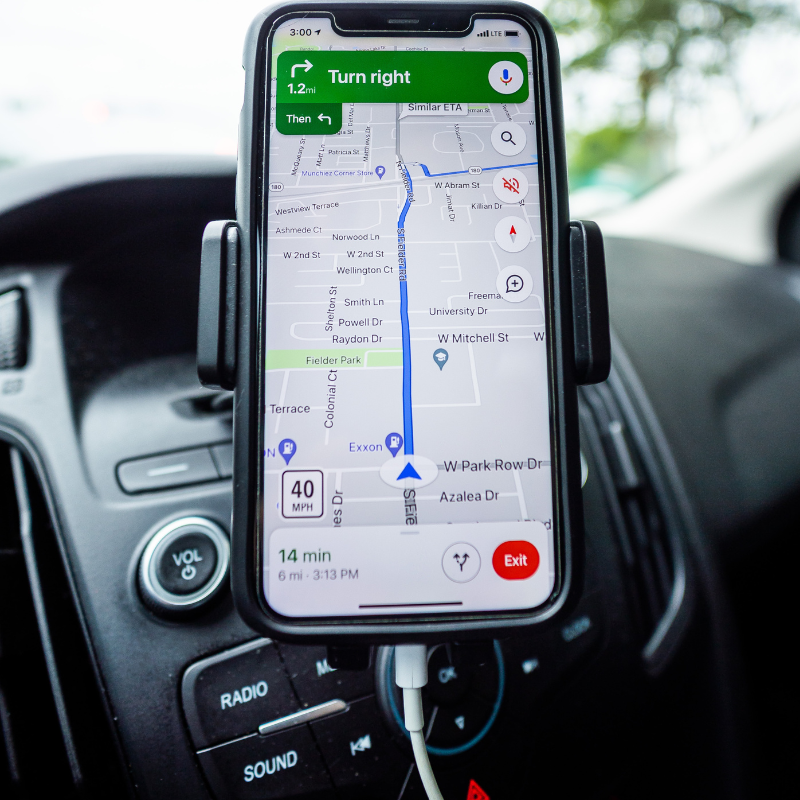
GPS is a perfect example of this phenomenon. Once cell phones had reliable dynamic GPS, many people (myself included) started using it for nearly every journey. Now, I can't remember the last time I got in the car and headed out with only verbal directions, a paper map, or a turn-by-turn printout courtesy of MapQuest. Instead, I simply tell my phone where I'm going, and it does all the work, guiding me to my destination and leaving my mind free to wander.
Now, if you asked me to remember a string of spoken directions and landmarks, I guarantee I would be less equipped to do so than I was twenty years ago.
This type of atrophy is what I fear an increasing reliance on AI will do to skills like communicating original ideas powerfully and effectively.
I particularly worry about this for service providers whose work involves connecting with customers 1:1. After a while, if AI is piecing together and smoothing over your messages, you may struggle to capture the magic of their work on sales calls, in networking conversations, or during the customer experience.
Getting Lost in the Sea of Sameness
One thing that most successful brands do well is establish a distinct personality —complete with an authentic voice, clear and unique ideas, and a heavy dose of humanity.
The tricky thing about AI-generated content is that it has the potential to strip your brand of all of those things if you aren't careful. Currently, AI writing tools work by scanning large sets of existing information, gathering information relevant to the task at hand, and using it to generate text based on a given prompt.
Can this process make your writing "sound better?" Sure.
Can it enable you to flood your channels with a large volume of content more quickly? Yes.
But are those your primary goals? Or is your goal to differentiate your brand, gain a loyal audience, and drive conversions?
With so MUCH of the same being shared, repackaged, and reshared, there's more noise than ever. That means there is an opportunity to stand out when you take the time to formulate and share original ideas!
Beyond that, if you aren't a confident writer or particularly AI savvy, it's more likely that you'll accept the output of AI writing tools or the suggestions AI editing programs generate. Some suggestions may strengthen your writing, but others may rob you of the unique tone, cadence, and vocabulary that contribute to your brand voice.
Amplifying Misinformation and Bias
Have you noticed that when you Google search a question, you often get an "AI Overview" pinned to the top of your search results?
This one worries me because we're wired for efficiency, so it's reallllly tempting to skim the AI Overview and take it as fact. Unfortunately, there's no clear way to see the source materials behind it. That means it can be pulling misinformation right to the top of your results, weighting a reputable source like the New York Times the same as an unverified blog post. Many people are going to ignore that little "Generative AI is experimental" caveat they put at the bottom of the summary and take it as fact.
Additionally, machine learning or algorithm bias has the potential to amplify dangerous biases that harm people of color, women, people of different abilities, people who are LGBTQIA+, and others. For example, a search engine ad algorithm bias caused Google to display job ads for high-paying positions to men more often than women. It's crucial to think critically about how the programming behind the writing tool you are using may impact the output you get.
Are you willing to quick-fix the humanity out of your brand?
In addition to these tradeoffs, perhaps the most important thing to consider as a small service-based business is the risk of distancing yourself from your audience. Humans crave what's real. They buy from brands they trust and feel connected to. So, while using AI tools selectively for certain tasks can boost your productivity, it makes sense to think carefully about which tasks you turn over to bots. When it comes to messaging development and connecting with customers through core communication channels like my website and blog, I choose human-crafted copy and content every time.
If you're having trouble crystalizing your message or writing your copy and content but want to double down on your brand's authentic voice, I can help.
